Fire damage reconstruction · Homes · Apartments · Commercial
Insurance estimates vary. We price the rebuild line by line. We offer a free on-site second look at the rebuild cost, with no obligation: we walk the property with you, put the scope in writing, and give you a line-by-line price to restore it. Yours to keep.
Lombardi Property Development, LLC (LPD Builders) is a licensed contractor (CSLB #1082065), not a public adjuster or law firm. We price construction. We don’t negotiate claims, interpret your policy, or give legal advice.
Licensed
California general contractor, CSLB #1082065. General liability insurance; certificate on request.
01
02
03
04
01
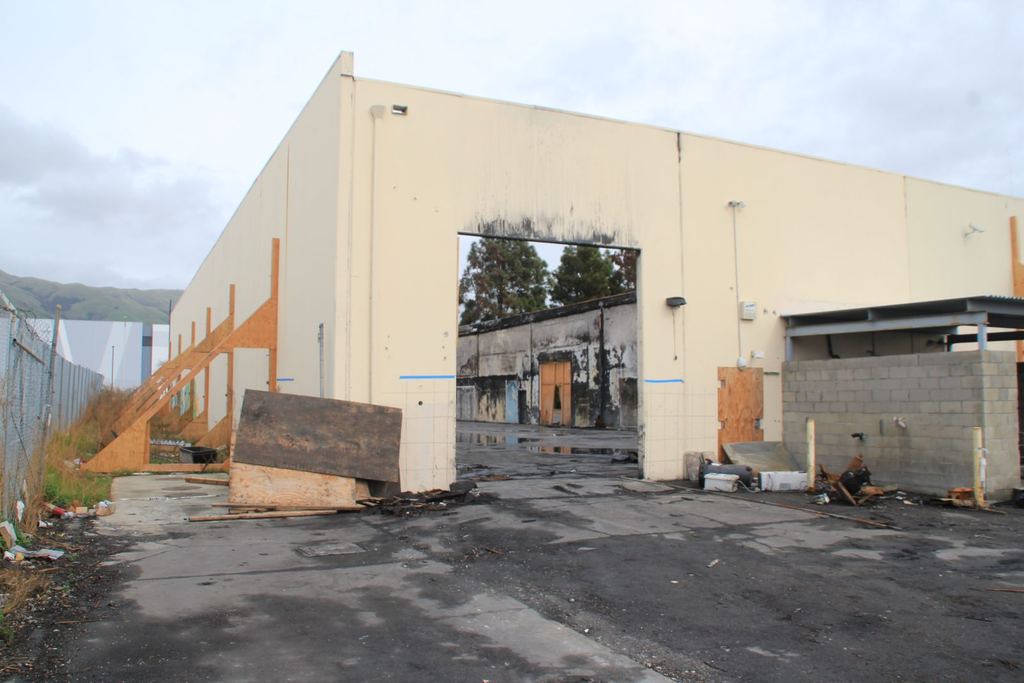
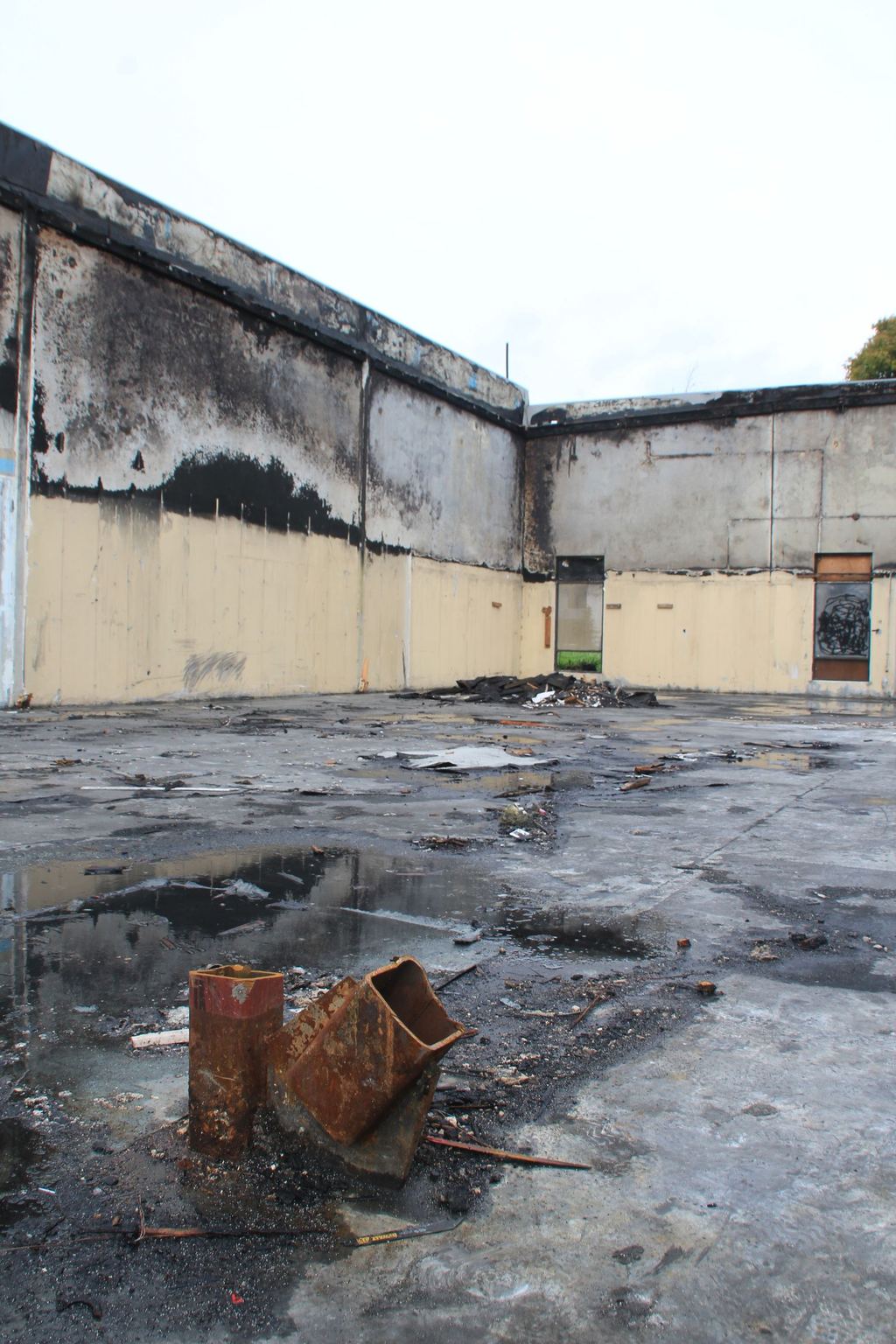
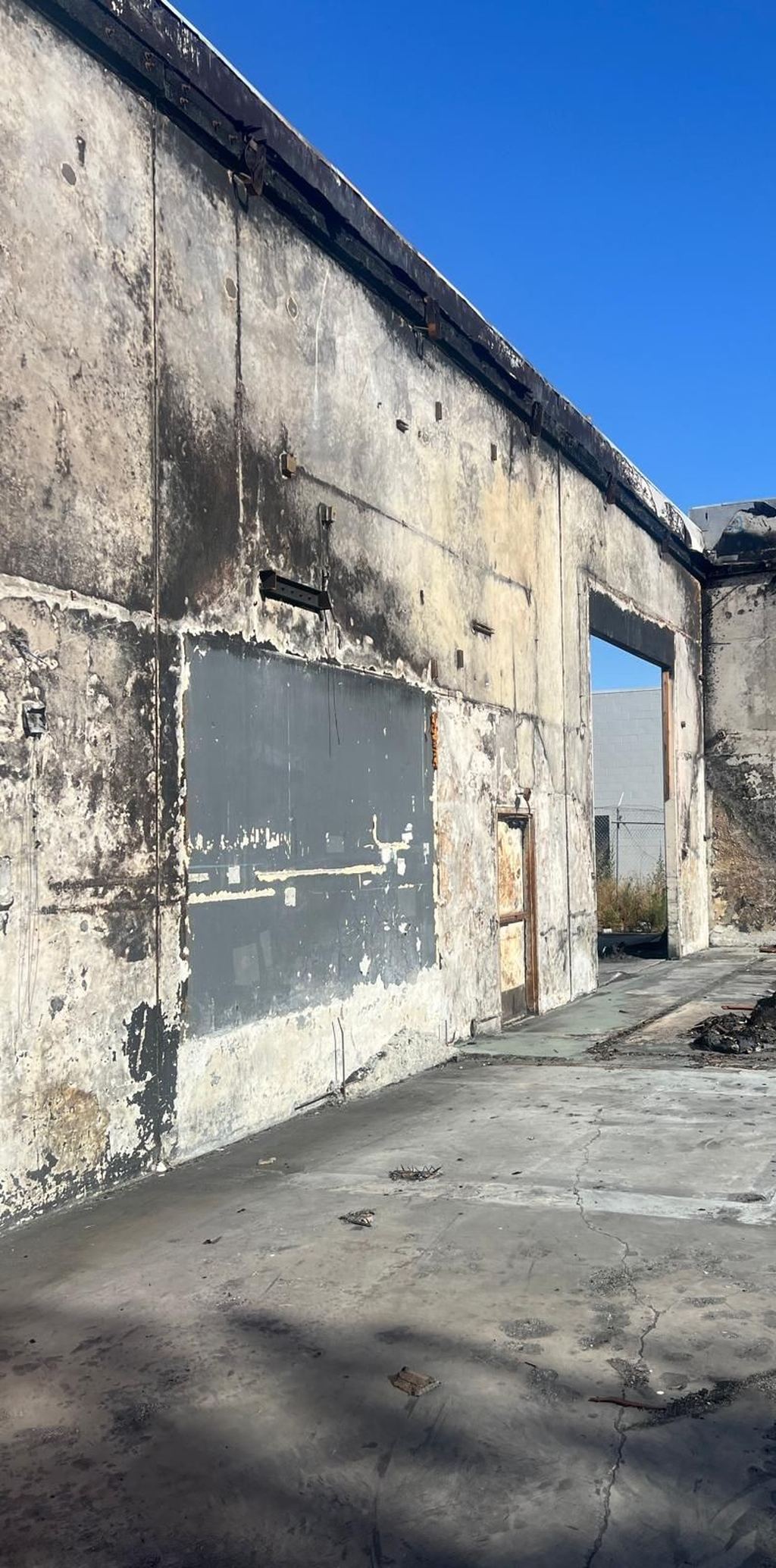
What the fire burned, and where smoke, soot and water have reached beyond what's visible.
02
A realistic number to plan on before you commit to anything or sign off on any scope.
03
Upgrades the permit process is likely to trigger, priced in before work starts, not discovered mid-construction.
04
What a rebuild involves: drawings, permits and a realistic rough schedule.
We walk the property with you or your representative, no drawings needed. You get scope and range in writing, plus a firm date for the detailed estimate. No obligation. You're free to share our line-item construction price with your insurance company, public adjuster, attorney or other professionals of your choosing.
In the meantime · three things to do this week
01
Photograph and save everything
Including receipts for board-up, temporary power, security and hauling.
02
Know the rebuild cost before you sign a release.
If you have questions about a release, you may want to talk with a licensed public adjuster or attorney of your choosing. LPD is not a public adjuster or law firm.
03
Ask for the line-item estimate
Not just a total, and keep records of downtime and extra expenses.
Smoke and soot travel. We find them in attic insulation, on the underside of roof sheathing, inside wall cavities and through the ductwork. Charred framing can look solid and still have lost strength. At the walkthrough we look in those places and write down what we see. Where odor or residue is in question, an industrial hygienist can test before anyone settles on a cleaning-only scope.
Once a permit is pulled, the city applies today's code. In an older Bay Area home that can mean foundation bolts and shear walls, a new electrical panel, smoke and CO alarms, energy-code items and, in some cities, fire sprinklers. We list these as separate code items so nothing surprises you mid-job. Whether your policy pays for them depends on its ordinance-or-law coverage. A public adjuster or attorney can advise you on that.
A smoke and partial repair can take a few months. A full rebuild often runs a year or more. Drawings and plan check alone can take several months, depending on the city. At the walkthrough we give you a rough schedule, step by step, so you can plan where your family lives in the meantime.
You pick. You choose your own contractor. If you have a public adjuster or attorney, you are free to share our price with them.
Fire rebuilds, including insurance-covered work, are one part of what we do, and often how owners first meet us. Where a covered loss triggers code-required upgrades to sprinklers, structural, life-safety or ADA systems, we scope them ourselves so they're accounted for up front instead of disputed mid-construction.
Where a suite is already open for repair and the tenant or landlord wants changes, we fold tenant-improvement scope into the same project, along with items like separate unit-level utility metering. There is no need to bring in a second GC.
Request a free walkthrough
No drawings needed and no obligation. You're free to share our price with your insurance company, public adjuster, attorney or other professionals of your choosing.
Prefer to talk? Call or text (415) 299-5369
Fire-loss roadmap
A plain-language path from the first hours to a finished rebuild. Take your time. Get a line-item rebuild price before signing anything.
Photograph and video the damage before anything is moved or discarded, keep receipts for emergency expenses, and secure the property.
Report the loss and request a complete copy of your policy and endorsements. Note your limits and any ordinance or law coverage.
Have a licensed contractor who prices rebuilds walk the property with you or your representative before you sign off on any scope.
Smoke and soot travel through attics, wall cavities and ductwork, and charring can compromise framing. Consider third-party testing before accepting a cleaning-only scope.
Ask for the line-item estimate, not just a total. Framing, roofing, electrical, plumbing and HVAC are the items most often undervalued.
You have the right to choose. Verify the license with the CSLB, talk to past clients, and see finished work.
A major rebuild often needs drawings and permits before construction begins, and a whole-home rebuild commonly runs a year or more.
Help from third parties
Owner checklist · interactive
Work through it at your own pace. Tick items as you go; nothing is sent anywhere.
0 of 14 done
Know where a contractor’s help ends. Coverage decisions and the value of your claim beyond repair costs are between you and your carrier. If you want help there, you may want to talk with a licensed public adjuster or attorney of your choosing.
General information only, not legal or insurance advice.
Smoke, soot and air quality
Smoke residue isn’t only a cleaning problem. What burned (plastics and vinyl, treated lumber, roofing, electronics) shapes what is left on surfaces and in the air, and soot particles are fine enough to be inhaled deeply. Before anyone accepts a cleaning-only scope, the residue should be understood.
01
A certified industrial hygienist can sample air and surfaces before work starts, so the cleaning protocol matches what is actually there. It is the same approach used for mold and asbestos.
02
Clearance sampling after cleaning confirms the work succeeded before occupants return or walls are closed up. The absence of smell is not a test.
03
The EPA cautions against using ozone generators in occupied spaces, and ozone does not remove particles. Physical cleaning and HEPA filtration do.
04
Limit entry. In fire-damaged areas, wear a properly fitted respirator, gloves and disposable coveralls, and follow fire department and public health guidance.
05
Some textiles and porous materials may not be cleanable. Ask for testing or a clear salvage standard before paying to clean contents.
06
If third-party testing makes sense for your property, we say so, and containment, cleaning and clearance are built into the scope.
Further reading, from third parties
Third-party publications; LPD Builders is not affiliated with their authors. General information only, not medical, legal or insurance advice.
Who builds your rebuild
Structural work, new framing, code upgrades and permits are what we do every week. Here are three of our commercial projects.
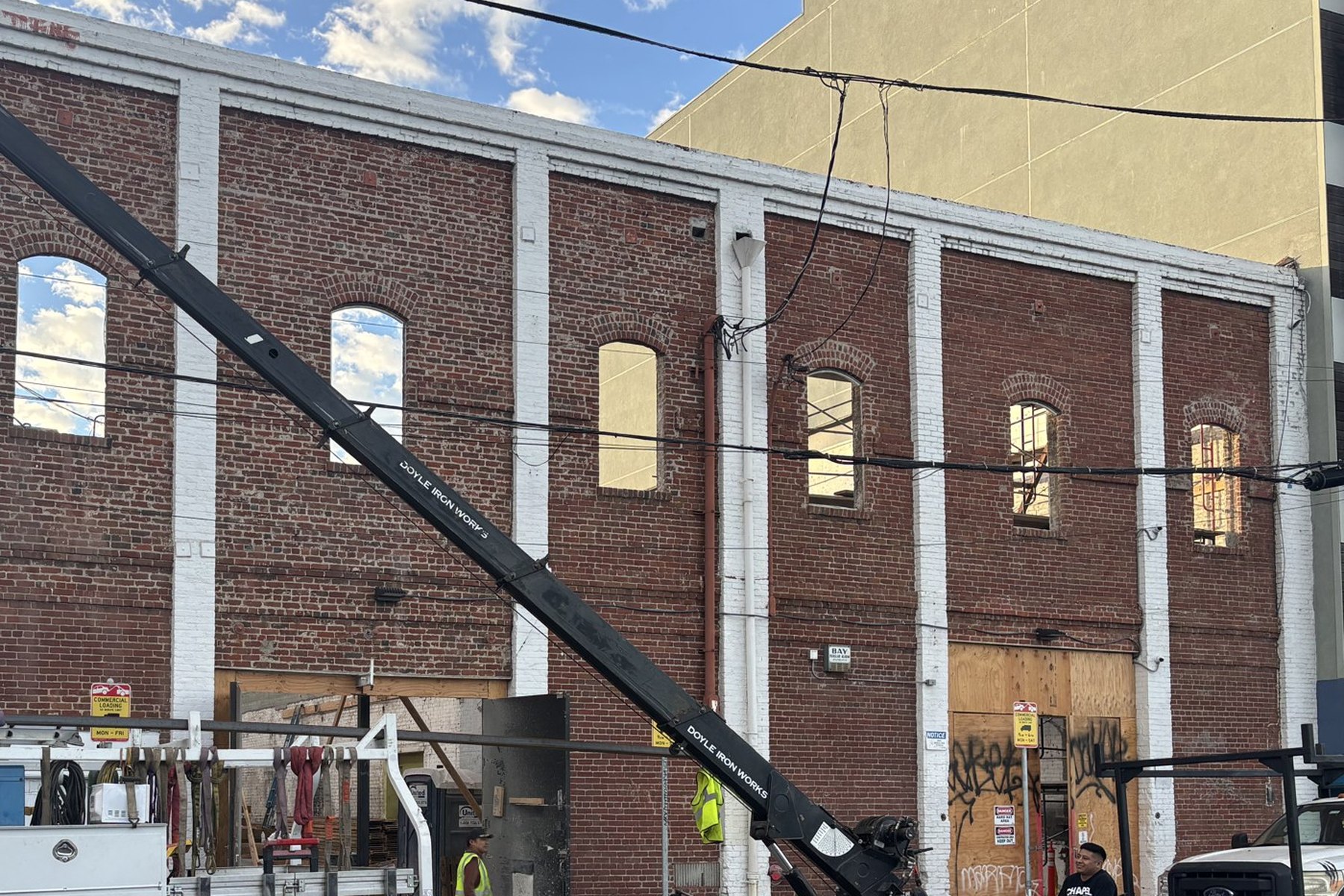
SoMa, San Francisco · UnderwaySoMa · Brick-shell rebuildA new building inside a kept brick shell: foundation, shear walls, steel and new floors.
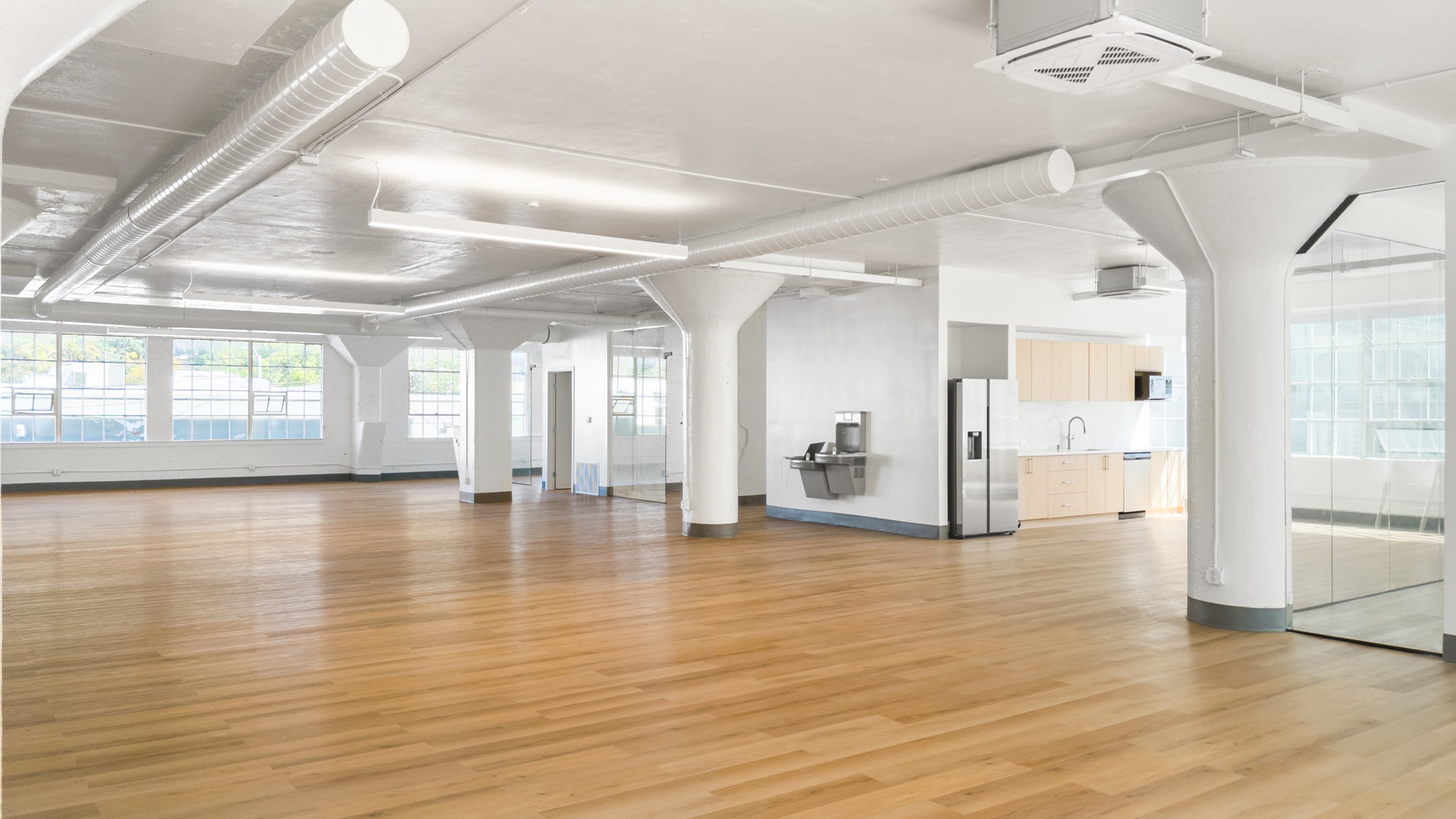
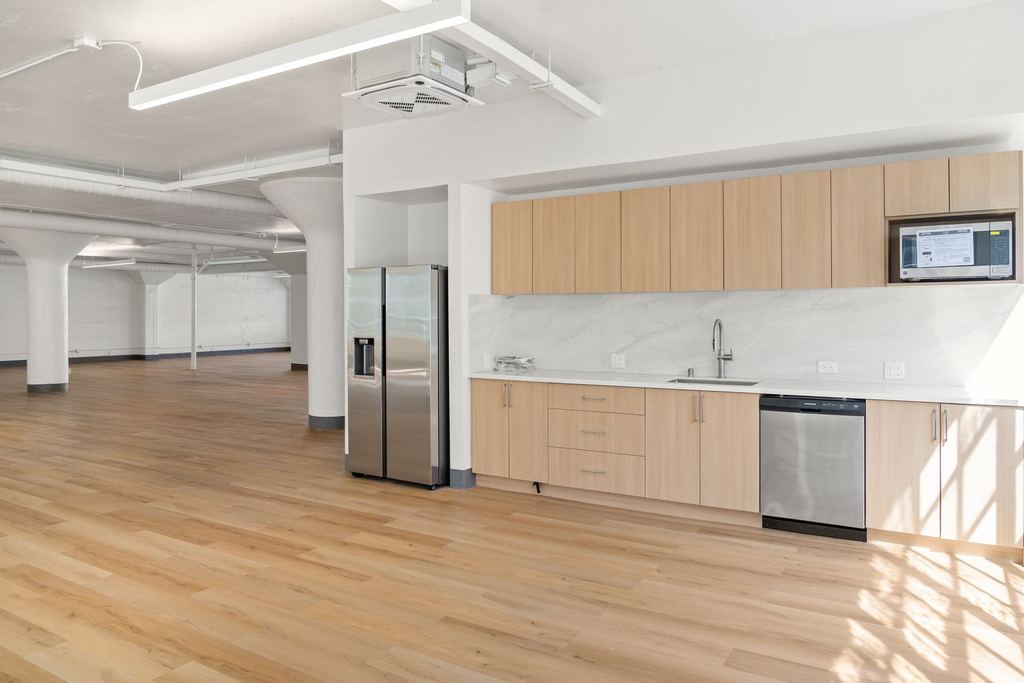
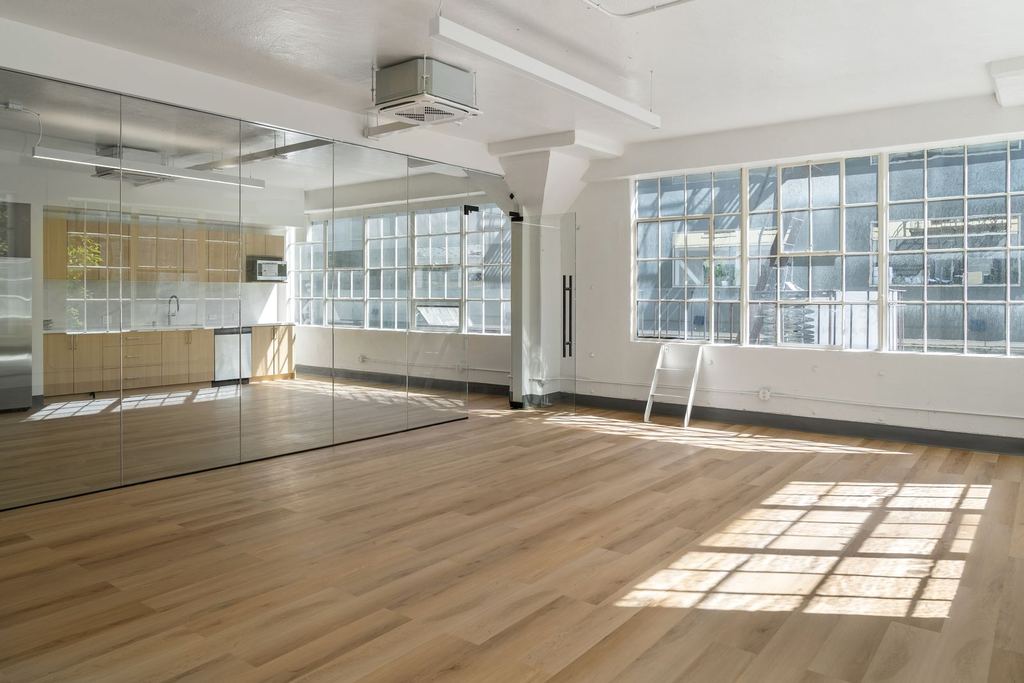
SoMa, San FranciscoSoMa · Office tenant improvementA second-floor office suite with restrooms, conference rooms, HVAC and structural infill.
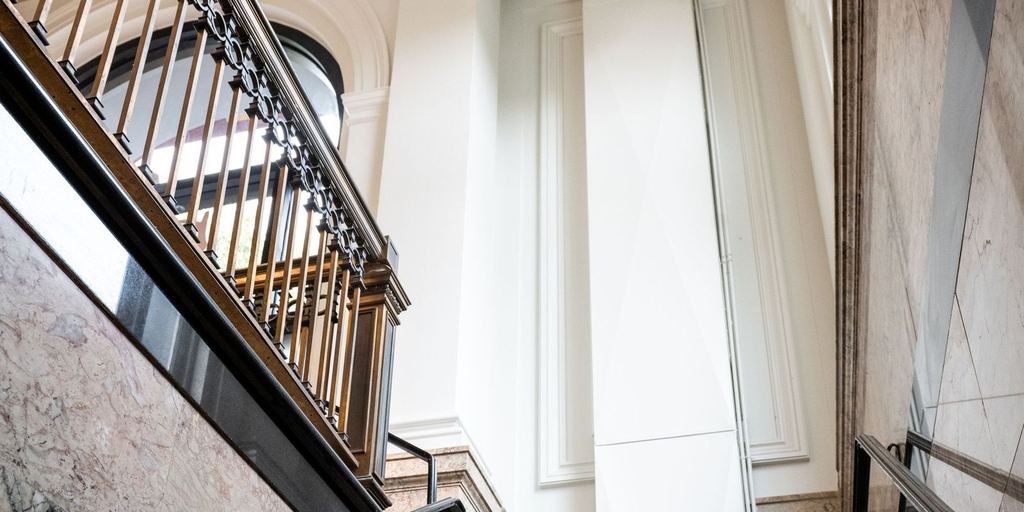
Inner Richmond, San FranciscoInner Richmond · Bank to clinicA former bank converted to a clinic, with the original marble stair kept.

Fire damage reconstruction · Homes · Apartments · Commercial
Insurance estimates vary. We price the rebuild line by line. We offer a free on-site second look at the rebuild cost, with no obligation: we walk the property with you, put the scope in writing, and give you a line-by-line price to restore it. Yours to keep.
Lombardi Property Development, LLC (LPD Builders) is a licensed contractor (CSLB #1082065), not a public adjuster or law firm. We price construction. We don’t negotiate claims, interpret your policy, or give legal advice.
Licensed
California general contractor, CSLB #1082065. General liability insurance; certificate on request.
01
02
03
04
01
What the fire burned, and where smoke, soot and water have reached beyond what's visible.
02
A realistic number to plan on before you commit to anything or sign off on any scope.
03
Upgrades the permit process is likely to trigger, priced in before work starts, not discovered mid-construction.
04
What a rebuild involves: drawings, permits and a realistic rough schedule.
We walk the property with you or your representative, no drawings needed. You get scope and range in writing, plus a firm date for the detailed estimate. No obligation. You're free to share our line-item construction price with your insurance company, public adjuster, attorney or other professionals of your choosing.
In the meantime · three things to do this week
01
Photograph and save everything
Including receipts for board-up, temporary power, security and hauling.
02
Know the rebuild cost before you sign a release.
If you have questions about a release, you may want to talk with a licensed public adjuster or attorney of your choosing. LPD is not a public adjuster or law firm.
03
Ask for the line-item estimate
Not just a total, and keep records of downtime and extra expenses.
Smoke and soot travel. We find them in attic insulation, on the underside of roof sheathing, inside wall cavities and through the ductwork. Charred framing can look solid and still have lost strength. At the walkthrough we look in those places and write down what we see. Where odor or residue is in question, an industrial hygienist can test before anyone settles on a cleaning-only scope.
Once a permit is pulled, the city applies today's code. In an older Bay Area home that can mean foundation bolts and shear walls, a new electrical panel, smoke and CO alarms, energy-code items and, in some cities, fire sprinklers. We list these as separate code items so nothing surprises you mid-job. Whether your policy pays for them depends on its ordinance-or-law coverage. A public adjuster or attorney can advise you on that.
A smoke and partial repair can take a few months. A full rebuild often runs a year or more. Drawings and plan check alone can take several months, depending on the city. At the walkthrough we give you a rough schedule, step by step, so you can plan where your family lives in the meantime.
You pick. You choose your own contractor. If you have a public adjuster or attorney, you are free to share our price with them.
We split the building in two. Building-wide items come first: roof, structure, stairs, corridors, laundry and shared systems. Then each unit gets its own section. That way you can see what each unit needs, and which ones can come back first.
Smoke moves through shafts, chases and attic space. Water from firefighting runs down plumbing risers and into electrical panels and meter banks. A unit two floors away can need new wiring or drywall. We trace those paths through the building at the walkthrough and note each affected unit.
It depends on what the building department and fire marshal will allow. Shared systems like fire alarms, sprinklers, power and water usually have to be restored and signed off first. The permit may also trigger upgrades, such as fire separations, accessibility or soft-story seismic work. Where the city allows it, we sequence the job so units come back in phases. Whether your policy pays for code upgrades depends on its ordinance-or-law coverage. A public adjuster or attorney can advise you on that.
Quantities and unit costs, area by area and unit by unit. Pricing from the trades who will do the roofing, framing, plumbing and electrical. Code items listed on their own. Site costs like temporary power, fencing, hauling and supervision. Your policy sets what you're owed. A clear estimate lets you, your adjuster, and any public adjuster or attorney compare it line by line.
Base building is the structure, roof, facade and shared systems. Tenant improvements are the build-out inside each space. We price them in separate sections, suite by suite. Who pays for which part is set by your lease and your policy. A public adjuster or attorney can advise you on that.
First, board-up and security. Then glazing, storefront framing, doors and hardware, and signage. Before opening, the fire sprinklers, alarm and exit lighting have to pass inspection. In California, many commercial repairs also trigger accessibility upgrades to the entrance, restrooms and path of travel. We list those as code items from the start.
Smoke cleanup and finish repairs can take weeks. Structural work that needs drawings and plan check takes months. We can often phase the job: restore the base building first so a tenant's own build-out can start, or reopen undamaged suites early. At the walkthrough we give you a rough schedule you can share with tenants.
We walk the building with you and anyone you invite: property manager, tenants, public adjuster or attorney. We check the roof, ceiling plenums, HVAC ductwork and electrical rooms, where smoke and soot hide. You get the scope and a rough range in writing, plus a firm date for the detailed estimate. You choose your own contractor.
Fire rebuilds, including insurance-covered work, are one part of what we do, and often how owners first meet us. Where a covered loss triggers code-required upgrades to sprinklers, structural, life-safety or ADA systems, we scope them ourselves so they're accounted for up front instead of disputed mid-construction.
Where a suite is already open for repair and the tenant or landlord wants changes, we fold tenant-improvement scope into the same project, along with items like separate unit-level utility metering. There is no need to bring in a second GC.
Request a free walkthrough
No drawings needed and no obligation. You're free to share our price with your insurance company, public adjuster, attorney or other professionals of your choosing.
Prefer to talk? Call or text (415) 299-5369


Fire-loss roadmap
A plain-language path from the first hours to a finished rebuild. Take your time. Get a line-item rebuild price before signing anything.
Photograph and video the damage before anything is moved or discarded, keep receipts for emergency expenses, and secure the property.
Report the loss and request a complete copy of your policy and endorsements. Note your limits and any ordinance or law coverage.
Have a licensed contractor who prices rebuilds walk the property with you or your representative before you sign off on any scope.
Smoke and soot travel through attics, wall cavities and ductwork, and charring can compromise framing. Consider third-party testing before accepting a cleaning-only scope.
Ask for the line-item estimate, not just a total. Framing, roofing, electrical, plumbing and HVAC are the items most often undervalued.
You have the right to choose. Verify the license with the CSLB, talk to past clients, and see finished work.
A major rebuild often needs drawings and permits before construction begins, and a whole-home rebuild commonly runs a year or more.
Help from third parties
Owner checklist · interactive
Work through it at your own pace. Tick items as you go; nothing is sent anywhere.
{{ckDone}} of {{ckTotal}} done
Know where a contractor’s help ends. Coverage decisions and the value of your claim beyond repair costs are between you and your carrier. If you want help there, you may want to talk with a licensed public adjuster or attorney of your choosing.
General information only, not legal or insurance advice.
Smoke, soot and air quality
Smoke residue isn’t only a cleaning problem. What burned (plastics and vinyl, treated lumber, roofing, electronics) shapes what is left on surfaces and in the air, and soot particles are fine enough to be inhaled deeply. Before anyone accepts a cleaning-only scope, the residue should be understood.
01
A certified industrial hygienist can sample air and surfaces before work starts, so the cleaning protocol matches what is actually there. It is the same approach used for mold and asbestos.
02
Clearance sampling after cleaning confirms the work succeeded before occupants return or walls are closed up. The absence of smell is not a test.
03
The EPA cautions against using ozone generators in occupied spaces, and ozone does not remove particles. Physical cleaning and HEPA filtration do.
04
Limit entry. In fire-damaged areas, wear a properly fitted respirator, gloves and disposable coveralls, and follow fire department and public health guidance.
05
Some textiles and porous materials may not be cleanable. Ask for testing or a clear salvage standard before paying to clean contents.
06
If third-party testing makes sense for your property, we say so, and containment, cleaning and clearance are built into the scope.
Further reading, from third parties
Third-party publications; LPD Builders is not affiliated with their authors. General information only, not medical, legal or insurance advice.
Who builds your rebuild
Structural work, new framing, code upgrades and permits are what we do every week. Here are three of our commercial projects.
SoMa, San Francisco · UnderwaySoMa · Brick-shell rebuildA new building inside a kept brick shell: foundation, shear walls, steel and new floors.
SoMa, San FranciscoSoMa · Office tenant improvementA second-floor office suite with restrooms, conference rooms, HVAC and structural infill.
Inner Richmond, San FranciscoInner Richmond · Bank to clinicA former bank converted to a clinic, with the original marble stair kept.


